ADVANTAGES
Economic savings
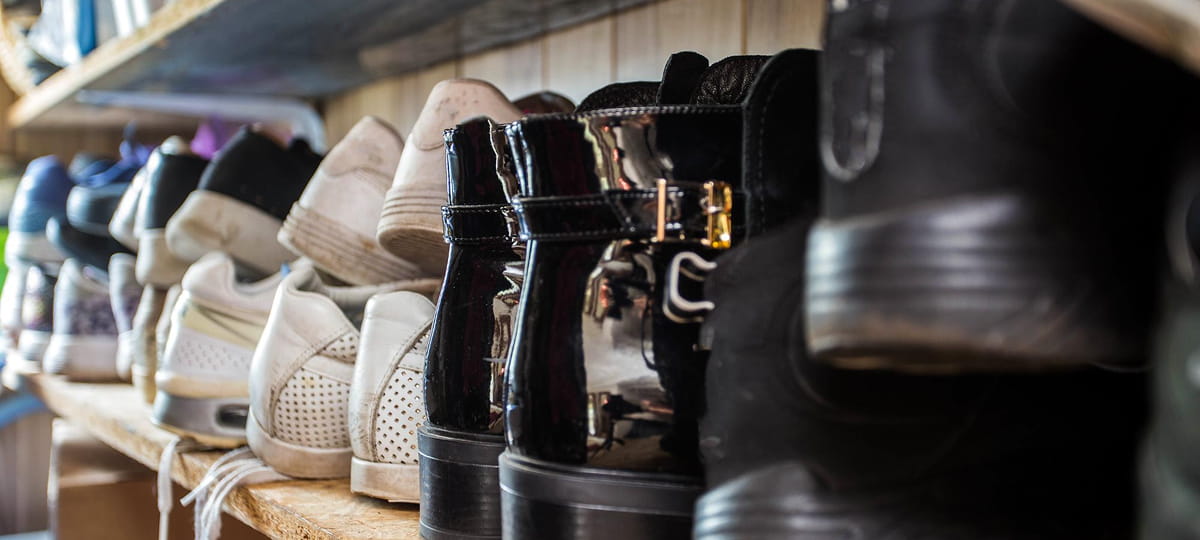
Secondhand shoes are usually significantly cheaper than new ones, which makes it possible to buy higher-quality brands or better-made styles on a tight budget.
Sustainability and Environmental Stewardship
Reusing footwear helps reduce waste, decrease industrial production, and minimize the environmental impact of the footwear industry—one of the most polluting industries.
Proven quality
A shoe that has withstood prior use and remains in good condition is usually an indication of high-quality materials and proper manufacturing.
Access to discontinued or vintage models
Second-hand shopping offers the chance to find unique or classic designs, as well as items no longer available on the market.
Repair and Extension of Service Life
Footwear repair is an uncommon alternative in our “throwaway” economy, yet it can yield excellent results, extending the lifespan of the shoes you love—those that fit your feet well and are of good quality.
DISADVANTAGES
Biomechanical risks
The footwear worn is usually molded to another person’s footprint. If it shows noticeable wear, it can force the new user to adopt incorrect postures, causing pain in the feet, knees, hips or back, and even deformities.
Hygiene Issues and Infections
Although it may appear clean, footwear can harbor fungi, bacteria, or other microorganisms that increase the risk of skin infections.
Hidden Wear and Tear
Key elements such as the sole, cushioning, or arch support may be worn out without it being obvious at first glance.
Shorter service life
Having been used previously, its remaining durability will be lower compared to a new shoe.
No Warranty or Refund
In most cases, second-hand footwear is not eligible for exchanges or claims.
Important: New footwear that is poorly designed, too narrow, or fails to respect the anatomy of the foot can also cause problems. Likewise, abruptly switching from conventional, highly cushioned footwear to "barefoot-style" footwear—without an adequate adaptation period—can lead to discomfort or injury.
Recomendaciones si decides reutilizar calzado
If you choose to use or purchase second-hand footwear, keep these guidelines in mind:
✔ Hygiene and disinfection
- Clean and disinfect footwear before use.
- Use alcohol with a concentration of over 70%, soap and water, or disinfectant sprays specifically designed for footwear.
✔ Inspection of the shoe’s condition
- Place it on a flat surface: if it tilts to one side, discard it, as this indicates excessive wear.
- Check the sole: if the tread is heavily worn or worn unevenly, it is not recommended.
- Remove the insole and check for any sunken or deformed areas. This indicates that the forefoot has left its imprint.
In some cases, replacing the insole can help, but if the sole is also worn out, it is better not to reuse it.
✔ Prioritize footwear that is “like new”
- Choose shoes that have been lightly used and show no visible signs of deformation.
- Avoid reusing children’s footwear, as a child’s foot is still developing.
✔ Improves fit and hygiene
- Use new insoles to optimize hygiene and comfort.
✔ Avoid use in people with orthopedic problems.
- People with foot conditions or specific needs should avoid reused footwear.