
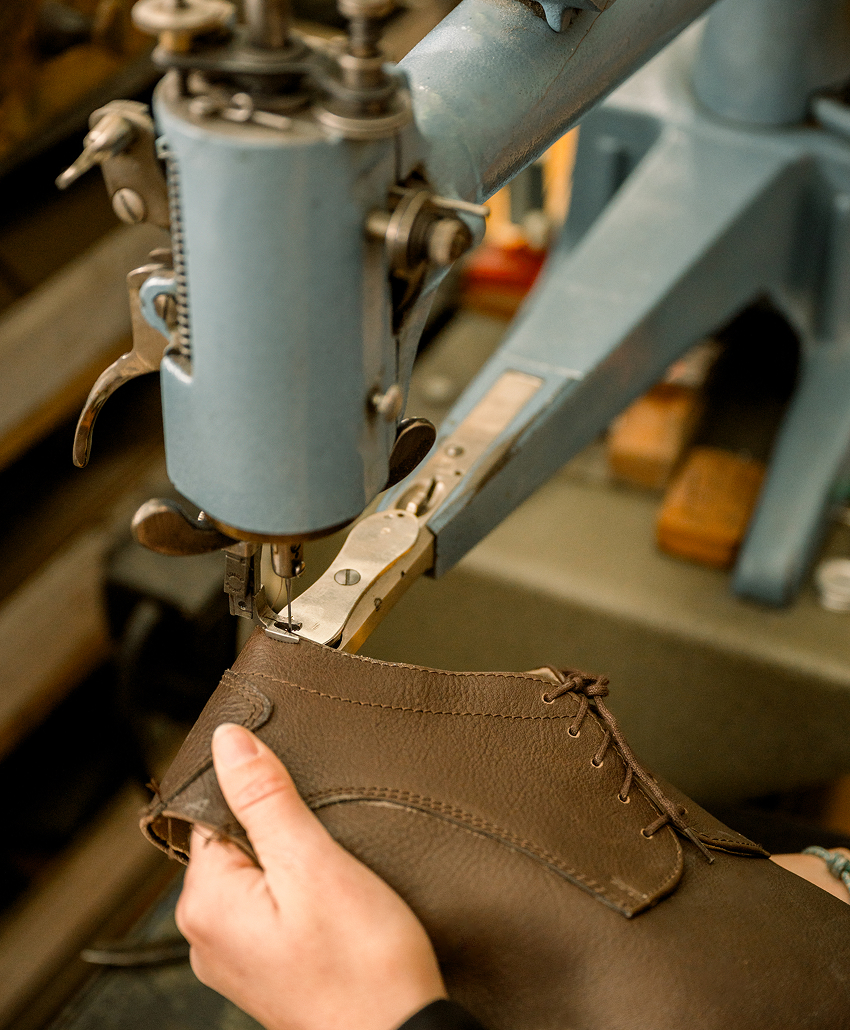
In contrast to the traditional linear model:
manufacture → use → discard
The circular economy proposes a cyclical model:
manufacture → use → repair → reuse → repurpose → recycle (or compost)
It is not a trend. It is a return to natural logic: extending product lifespans, reducing resource extraction, and minimizing waste. Many communities were already practicing this long before the term “circularity” even existed. Today, the challenge lies in structuring and professionalizing these practices within companies in the sector.
6 Keys to Implementing Circularity
1. Designing for longevity: the ecosystem as a starting point
Circularity begins at the design stage.
- Functional durability (durability, technical quality).
- Emotional durability (timeless design, perceived value).
- Think about repair, disassembly, and recycling from the very beginning. (Keep in mind the 10 Rs of circularity.)
The new European framework, driven by the European Green Deal, reinforces this approach through the Ecodesign Regulation (ESPR) and the future Digital Product Passport.
Designing with the 10 Rs always in mind will be a great help in internalizing the circular model and incorporating it, along with the product’s characteristics, into every stage of the life cycle.
2. Responsible and Balanced Production
Circularity requires consistency throughout the entire value chain:
- Responsible extraction of raw materials.
- Community engagement and strengthening the local industry.
- Transparency and value redistribution.
In addition, the European regulatory framework is moving toward greater oversight and regulatory consistency:
- Ecodesign Regulation (ESPR).
- Law 7/2022 on Waste and Post-Consumer Recycled Content (RAP) for Textiles and Footwear.
- Directive 2024/825 on Combating Greenwashing.
Competing under clear and common rules is key to a fair market.
3. Maximize the product's service life
Circularity depends not only on the manufacturer, but also on how the product is used.
- Promote mindful consumption.
- Prioritizing quality over quantity.
- Provide maintenance and repair guides.
- Promote after-sales services and professional repairs.
The longer a product lasts, the smaller its environmental impact.
4. Structured and traceable reuse
Reusing does not mean externalizing the problem.
It is essential:
- Work with transparent operators.
- Prevent the export of waste that cannot be traced.
- Ensure that the “second life” is real and verifiable
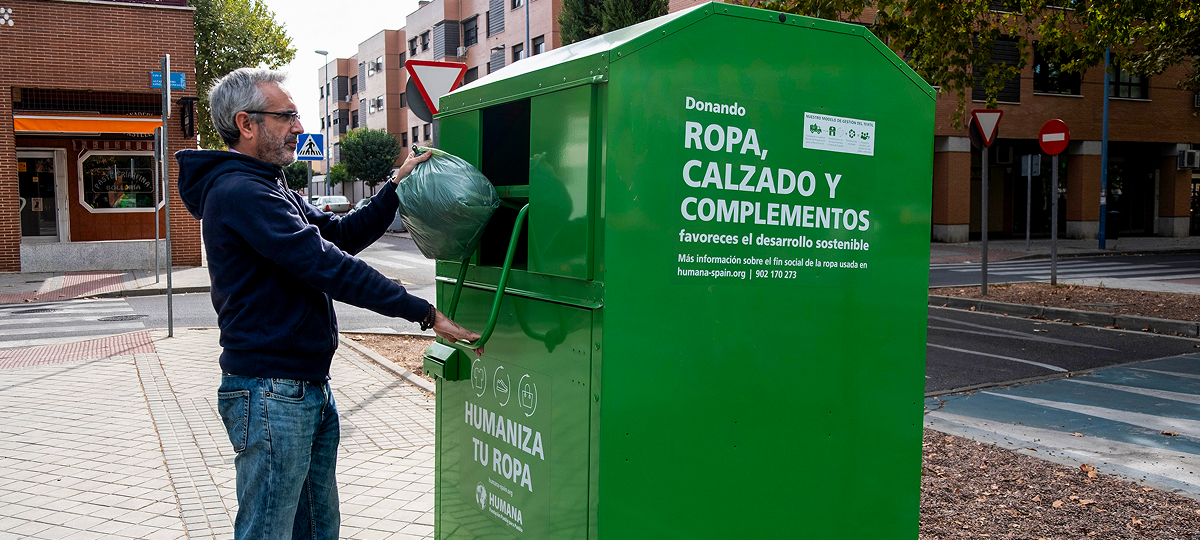
5. Efficient recycling: mechanical and chemical
Recycling should be:
- Technically feasible.
- Cost-effective.
- With a real reduction in environmental impact.
The design should facilitate:
- Easy disassembly.
- Material separation.
- Reintroduction into supply chains, ideally local ones.
6. Regenerative practices and suitable materials
Circularity also implies regeneration:
- Minimalist designs or designs that are easy to take apart.
- Use of natural, renewable, and compostable materials whenever feasible.
- Reducing complex mixtures that hinder recycling.
Practice a REAL circular model
For companies in the textile and footwear sector, the challenge is not only to understand the concept but also to integrate it into design, production, regulatory compliance, and their business model. At GERESCAL, we support companies in this transition from a technical, regulatory, and strategic perspective.
Specialized resources for further information
GreenShoes4All
A European project carried out by various specialized organizations, including INESCOP. The project develops tools and methodologies to integrate eco-design into the footwear sector. It includes technical reports and a specific guide for applying environmental criteria starting from the design phase.
TEXpertise Network by Messe Frankfurt
Textile and Fashion Observatory
THE 10R's
From “Rethink” and “Reject” to “Reuse,” “Repair,” “Remanufacture,” and “Recover,” each step represents a smarter way to consume and produce. Together, they transform systems from “extract-manufacture-waste” to “design-use-renew.” Why is this important? Less waste in landfills and oceans Lower energy and resource consumption New jobs and green business models Reduced carbon emissions Stronger, more resilient economies Resources from Circularity HUB